
top of page
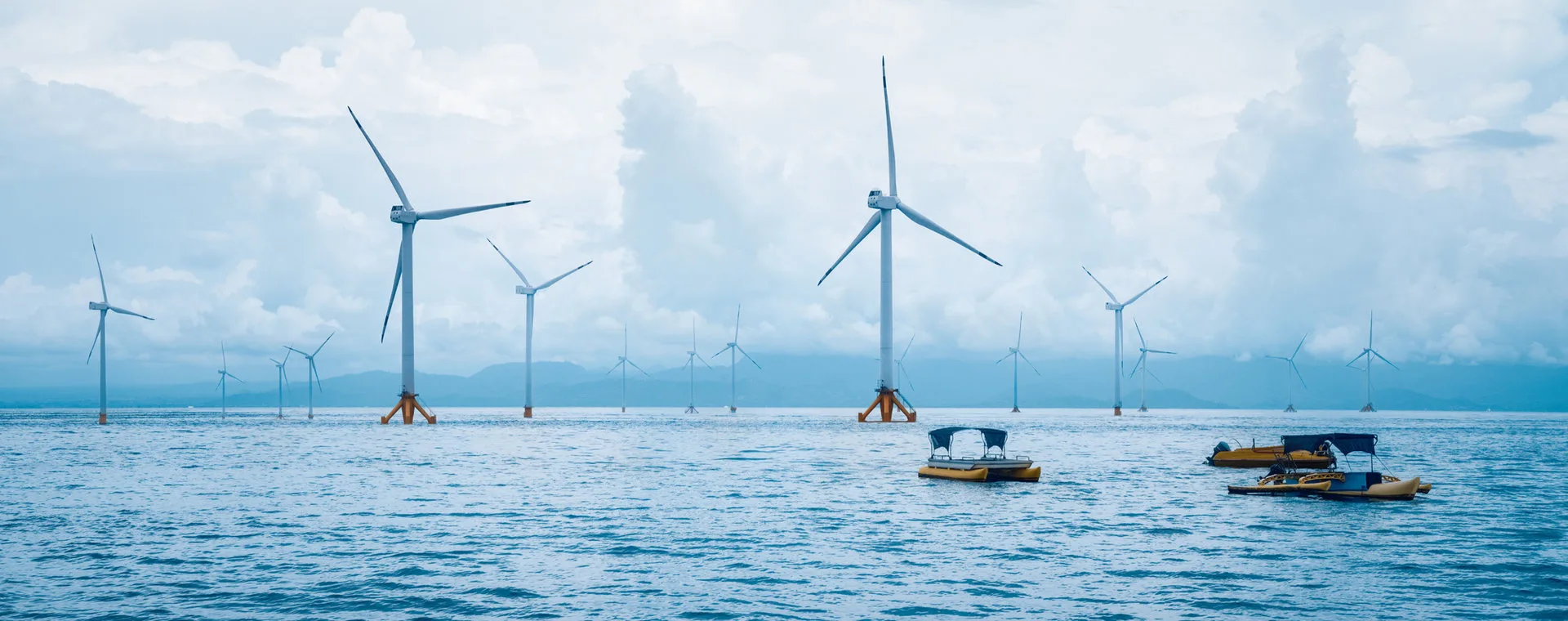
Image by Jesse De Meulenaere

Technical Working Group

Offshore

The Offshore TWG, led by Ocean Conservancy, aims to identify and promote key enabling factors for the rapid and sustainable deployment of offshore wind energy. Focusing on biodiversity, supply chains, permitting procedures, and decommissioning, the group will produce recommendations that align energy transition with broader environmental and socioeconomic benefits.

Objectives

​The primary aim of this working group is to identify and promote the key enabling factors required for the rapid and sustainable rollout of offshore wind energy globally. This involves:

  • Biodiversity: Promote strategies for achieving Net-Positive Impact (NPI) in offshore wind development through avoidance, minimization, and mitigation of negative impacts, supplemented by conservation actions where necessary, while fostering broader environmental and socioeconomic benefits.

  • Permitting Procedures: Develop best practices for permitting and marine spatial planning to streamline the rapid and sustainable deployment of offshore wind, ensuring biodiversity is protected and impacts are minimized.

  • Supply Chain: Identify and recommend resilient, environmentally sustainable supply chain practices, including circular material use, to support the scale-up of offshore wind energy with minimal environmental footprint.

  • Decommissioning: Recommend sustainable decommissioning practices that minimize environmental impact, promote material repurposing or recycling, and ensure long-term infrastructure sustainability.

  • Policy & Standards: Recommend policies and industry standards that support the sustainability of offshore wind from installation through to decommissioning.

Methodology

The group will employ a collaborative approach to:

  • Review current practices and standards in offshore wind development and their impacts on marine biodiversity, supply chains, and decommissioning.

  • Engage with experts to understand the complexities of measuring and enhancing biodiversity, ensuring responsible supply chains, and developing sustainable decommissioning strategies.

  • Develop best practices through workshops and consultations.

Members
  • Shamini Selvaratnam (Chair), Director of International Climate and Clean Energy, Ocean Conservancy

  • Susan Gourvenec, Royal Academy of Engineering, Chair in Emerging Technologies - Intelligent & Resilient Ocean Engineering

  • Tricia Jeadle, Offshore Wind Policy Manager, The Nature Conservancy

  • Hanh Nguyen, Ocean Industries Lead, World Economic Forum

  • Rennie Myers, Global Policy Lead, Ørsted

  • Amisha Patel, Head of Secretariat, Global Offshore Wind Alliance

  • Cristina Simioli, Director, Offshore Energy and Nature, Renewable Grids Initiative

  • Amy Finalyson, Independent consultant for climate, energy and biodiversity

Get in touch

Stay updated with this Technical Working Group and get invited to future GINGR events by emailing info@gingr.org

Offshore Publications

Integrating Nature into Offshore Wind

17 November 2025

White paper presenting a stocktake and recommendations for offshore wind

Maritime Spatial Planning

11 November 2024

Discussion paper on Nature-Positive planning for offshore wind

GINGR Navigator No. 1

10 November 2024

Checklist for Nature- and People-Positive Maritime Spatial Planning

Monitoring Biodiversity at Sea

11 November 2024

Discussion paper on Nature-Positive monitoring for offshore wind

GINGR Navigator No. 2

10 November 2024

Checklist for creating a monitoring plan for offshore wind development

GINGR Logo White Orange.png

GINGR Secretariat

c/o Renewables Grid Initiative

Manfred-von-Richthofen-Strasse 4
12101 Berlin, Germany

GINGR is a joint effort by

RGI-Logo-white.png
IUCN logo_edited.png
  • LinkedIn

© 2025 GINGR – Global Initiative for Nature, Grids and Renewables

bottom of page